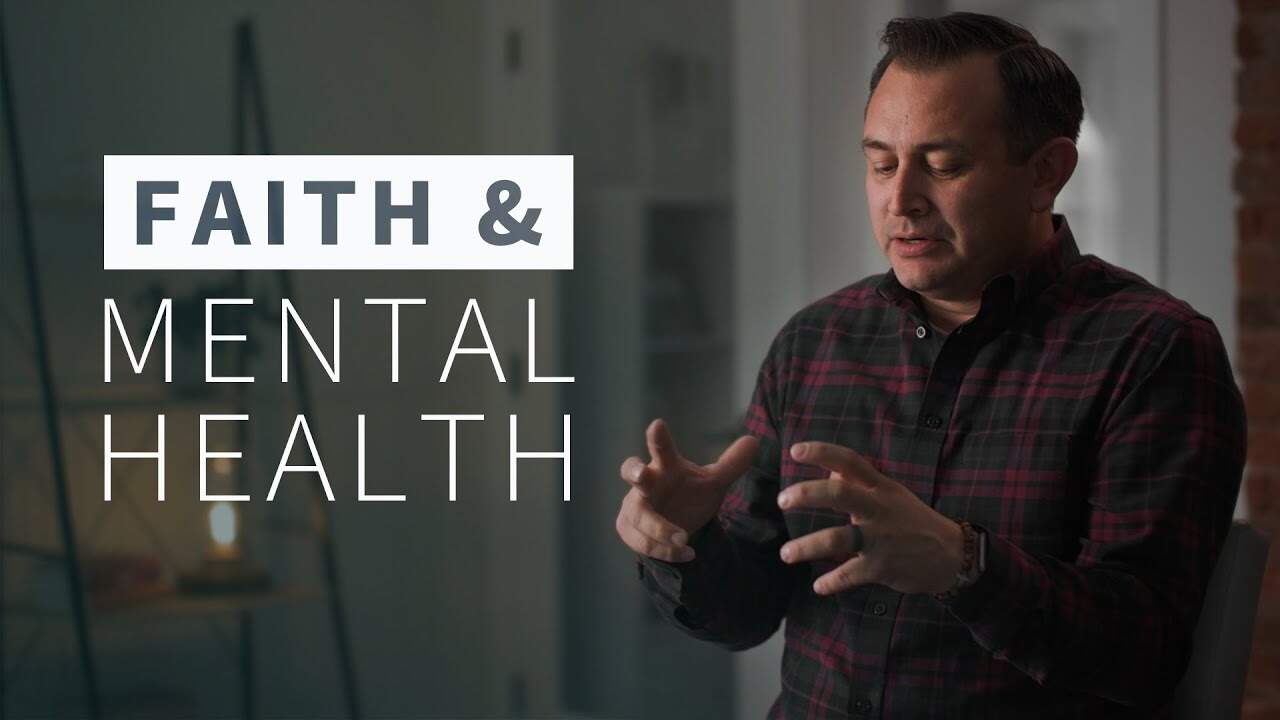
 Recovery is not only about breaking free from addiction. It is about restoring meaning, purpose, and inner peace. For many individuals, healing requires both psychological clarity and spiritual grounding. At ICC Utah, we believe these two paths do not compete. They work together. By integrating cognitive therapy with faith-based support, individuals can experience recovery that strengthens the mind while renewing the spirit.
The Connection Between Faith and Mental Health
Addiction often leaves individuals feeling disconnected from themselves, their values, and their faith. Shame, guilt, and negative self-beliefs can create emotional barriers that make spiritual healing difficult. Cognitive therapy helps address these internal struggles by guiding individuals to examine and reshape harmful thought patterns that interfere with growth.
When psychological healing begins, spiritual recovery often follows. As individuals learn to challenge distorted beliefs and practice healthier thinking, they become more open to forgiveness, hope, and renewal. This connection allows faith to become a source of strength rather than pressure during recovery.
How Cognitive Therapy Supports Spiritual Growth
Cognitive therapy focuses on understanding how thoughts influence emotions and behavior. In addiction recovery, individuals often carry beliefs such as feeling unworthy, beyond help, or permanently broken. These beliefs can block spiritual connection and deepen emotional pain.
At ICC Utah, cognitive therapy helps clients recognize these thought patterns and replace them with balanced, truthful perspectives. As mental clarity improves, individuals are better able to reconnect with their faith, values, and sense of purpose.
Key ways cognitive therapy supports spiritual recovery include:
-
Encouraging self-awareness and reflection
-
Reducing shame and self-judgment
-
Strengthening emotional regulation and trust
-
Promoting accountability grounded in compassion
These shifts allow individuals to approach spiritual practices with openness rather than fear or guilt.
A Holistic Approach to Healing
ICC Utah is committed to treating the whole person. Cognitive therapy is integrated alongside holistic practices that support physical wellness, emotional balance, and spiritual growth. Clients may engage in mindfulness exercises, guided reflection, and faith-centered discussions that reinforce healing at every level.
Faith-based support provides meaning and hope, while cognitive therapy offers practical tools for managing stress, cravings, and emotional triggers. Together, these approaches help individuals develop resilience and confidence as they navigate recovery.
Rebuilding Purpose and Identity
Addiction often distorts a person’s identity, leaving them disconnected from who they truly are. Cognitive therapy helps individuals redefine their self-image by challenging negative beliefs and strengthening personal values. This process aligns closely with spiritual recovery, which emphasizes growth, forgiveness, and renewal.
Through therapy, individuals learn to see themselves as capable of change and deserving of healing. This renewed identity supports long-term sobriety and deepens spiritual connection.
Applying Faith and Cognitive Skills in Daily Life
The tools learned through cognitive therapy and faith-based guidance extend beyond treatment. Clients are encouraged to apply these skills in everyday situations by practicing healthy thinking, seeking spiritual grounding, and making intentional choices aligned with their values.
Families and support systems also play an important role. When loved ones understand how cognitive therapy and faith work together, they can reinforce positive behaviors and create a supportive environment for sustained recovery.
Healing Mind and Spirit Together
Lasting recovery requires more than physical sobriety. It requires inner transformation that heals both the mind and the spirit. Cognitive therapy provides clarity and structure, while faith offers hope and meaning. At ICC Utah, these elements come together to support individuals on a deeply personal and empowering recovery journey.
If you or someone you love is seeking a program that honors both psychological healing and spiritual growth, ICC Utah is here to help. Reach out today to learn how our individualized, holistic, and faith-based approach can support true and lasting recovery.